
Best Argos DIY Tools and Accessories for Home Projects
There is always something around the house that could do with sorting. A shelf that still has not gone up. A cupboard door that has started to sag. A patch of wall that needs filling before you can even think about painting it. The trouble is, a lot of these jobs get put off not because they are especially difficult, but because you realise halfway through that you do not actually have the right kit. That is where Argos can be useful. The range covers plenty of everyday DIY tools and home essentials, so whether you are starting from scratch or replacing a few tired old bits in the toolbox, there is usually a good mix of practical options to choose from. If you want to check the latest live savings before you buy, it makes sense to visit our main Argos discount codes page first. Then, once you know what offers are running, you can get on with choosing the tools that will actually make life easier.
Power Tools for Everyday DIY Jobs
A Reliable Drill for General Home Use
If you only buy one proper power tool, it will probably be a drill. They are one of those things you might not use every day, but when you need one, nothing else really does the job properly. Putting up curtain poles, fixing shelves, drilling into masonry, assembling furniture that came with those tiny little hex keys nobody enjoys using – it all becomes much more manageable when you have a decent drill to hand.
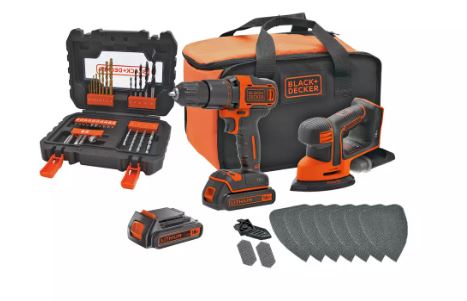
Argos usually has a mix of cordless models that suit general home use rather than heavy trade work, and that is probably the right balance for most people. You do not need something enormous and overcomplicated if your usual jobs involve hanging mirrors, tackling flatpack or doing a few repairs at the weekend. A lightweight cordless drill is often the sweet spot. Easier to carry, easier to store, and a lot less intimidating if you are not especially confident with tools.
It is also worth looking at kits that come with useful accessories rather than the bare tool on its own. Extra bits, batteries, sanding attachments or storage cases can make a bigger difference than people expect. It saves you that slightly irritating moment where the tool arrives and you realise you still need three other things before you can use it.
Sanding and Finishing Tools for Decorating Jobs
Decorating jobs have a habit of looking straightforward until you get stuck into them. You think you are just freshening up a skirting board or an old chest of drawers, and then suddenly you are dealing with flaky paint, rough corners and surfaces that look far worse than they did five minutes ago. That is where sanding tools come into their own.
A compact sander can make fiddly jobs far less frustrating, especially if you are dealing with uneven woodwork, edges or narrow spaces that are awkward to tackle by hand. There is still a place for sandpaper, obviously, but for anything more than the tiniest touch-up it can feel like hard work for very little reward. Small powered sanders tend to be a better option if you are repainting furniture, smoothing shelves or getting timber ready for a cleaner finish.
Not every home DIYer needs a full workshop’s worth of gear. In practice, a couple of well-chosen tools that help with preparation often get used more than the flashy bits people buy on impulse. Sanding is one of those jobs that can be dull, but if you skip it, the final result usually shows.
Tools for Tougher Jobs
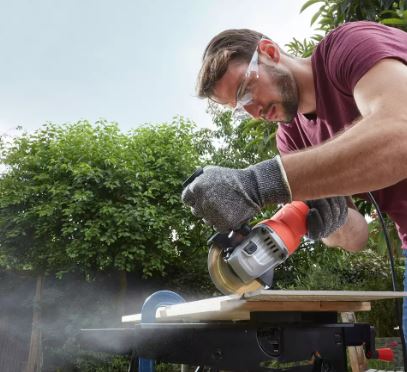
Some jobs need a little more bite. Cutting metal, trimming tiles, sharpening blades or dealing with stubborn materials is a different world from putting together a bookcase. If you are taking on work like that, heavier-duty tools such as grinders or specialist cutters start to make more sense.
This is probably the point where it is worth being honest about what sort of DIY person you actually are. Plenty of people like the idea of buying advanced tools when the reality is that they will use them once, maybe twice, then leave them in the shed for a year and a half. If that sounds familiar, it might be better to focus on the basics first. But if you regularly tackle more involved repairs or renovation jobs, then a more versatile cutting or grinding tool can be worth having.
The main thing is not to buy for fantasy projects. Buy for the work you are genuinely likely to do.
Toolbox Essentials Worth Having at Home
Screwdrivers, Bits and Smaller Fixing Tools
There are some jobs where dragging out a full drill feels unnecessary. Tightening cabinet hinges, assembling flatpack, fitting handles, sorting loose fixtures – those little tasks crop up all the time. A cordless screwdriver is ideal for that sort of thing. Lighter than a drill, quicker to grab, and a lot easier on the wrists when you are working through a long set of instructions and trying not to lose patience with panel number six.
Even if you already own a drill, a smaller screwdriver or compact driver tool still earns its place. It is one of those bits of kit that often ends up being used more than expected. Once you have one, you stop reaching for the manual screwdriver nearly as often, particularly when you have a whole pile of screws to deal with.
Bits matter too. There is no glory in buying a smart new tool if the supplied accessories are flimsy and round off at the first sign of resistance. A decent set of interchangeable bits, plus a sensible case to keep them in, makes the whole thing much less chaotic.
Starter Tool Kits for New Homeowners or Beginners
Not everyone has a toolbox that has been built up over years. Some people are starting from nothing. Others have a random drawer of odds and ends that somehow contains six tape measures but no usable spanner. That is why a starter tool kit can be surprisingly handy.
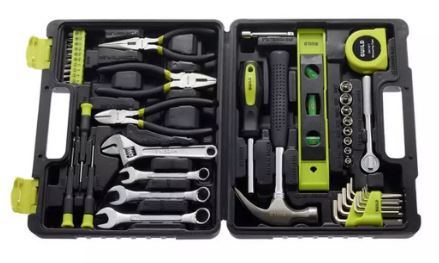
A well-put-together kit gives you the obvious things first: hammer, pliers, screwdrivers, a level, measuring tape, maybe a few wrenches. Nothing glamorous. Just the tools you reach for when a curtain rail comes loose or a chair needs tightening. It is the kind of purchase that seems slightly dull until the first time you actually need it, and then it suddenly looks like one of the smartest things you have bought.
These kits are also good for people moving into a first flat or house. There is always a burst of DIY in those early weeks, even if you are not planning anything major. You notice crooked shelves, want to hang pictures, need to adjust doors, fit blinds, build furniture. A basic kit covers a lot of ground before you even get into the bigger power tools.
Measuring Tools That Save Time
Some DIY mistakes are expensive. Others are just annoying. Measuring badly often falls into the second category right up until it turns into the first. Wallpaper cut too short. Shelves that do not line up. Furniture that does not quite fit where you thought it would. It sounds obvious, but accurate measuring can save a lot of wasted effort.
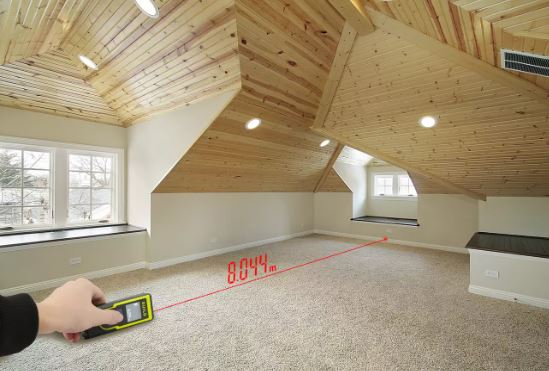
Tape measures will always have their place, but laser measures are useful if you are planning flooring, fitting furniture, working out room dimensions or trying to measure awkward spaces without needing someone to hold the other end. They are especially handy if you are doing jobs on your own and do not want to spend half the afternoon repositioning a tape measure that keeps bending in the middle.
Not every gadget earns its keep, but this is one that often does. Once you start using one, it becomes strangely hard to go back.
Access Equipment and Practical Extras
Safe Access for Decorating and Maintenance
This is not the most exciting part of the shop, but it is probably one of the most sensible. Plenty of people still use kitchen chairs, wobbly stools or whatever happens to be nearby when something needs reaching. It is one of those habits that seems fine until the moment it really is not.
A proper step ladder makes all sorts of household jobs easier: painting, cleaning, changing bulbs, reaching top cupboards, checking smoke alarms, sorting out high shelves. The difference is not just height. It is stability. Wider treads, handrails, a frame that does not feel like it might betray you halfway through the job. These things matter more than people like to admit.
If you only use it once in a while, it still earns its place. The safer option is almost always the better one where home DIY is concerned.
Storage and Everyday DIY Convenience
One thing that gets overlooked when buying tools is where they are all going to live. There is a lot to be said for compact kits, decent carry cases and storage that stops everything turning into a metal tangle at the back of a cupboard. Tools are much more useful when you can actually find them.
This is especially true in smaller homes where you are not working with a shed, garage or workshop. A few well-chosen tools in tidy storage can be far more useful than dozens of loose items shoved into bags and drawers. People sometimes assume “serious DIY” means owning a huge amount of kit. Usually it means knowing what you have, where it is, and being able to get to it without a treasure hunt.
Home Safety and Security Items Worth Checking
Smoke and Carbon Monoxide Protection
DIY is not always about making or fixing things. Sometimes it is about checking the practical bits of the home that quietly do their job in the background and are easy to forget about. Smoke alarms and carbon monoxide alarms fall firmly into that category.
They are not exciting purchases, and nobody is unboxing one for fun on a Saturday afternoon. Still, they matter. If yours are ageing, unreliable or in need of replacement, it is worth sorting them sooner rather than later. Combined units can be useful if you want a more streamlined setup, especially in smaller homes where keeping things simple has its own appeal.
There are some areas of household spending where you can afford to procrastinate. This is not really one of them.
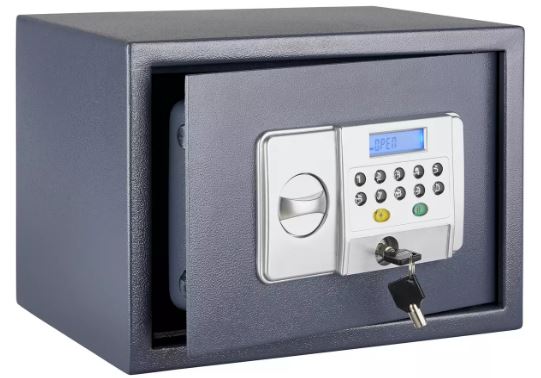
Small Security Upgrades for Peace of Mind
Then there are the smaller security items that just make daily life a bit easier. A compact home safe. A better doorbell setup. Bits and pieces that are not essential in the same way as a smoke alarm, perhaps, but still useful.
A safe can be handy for documents, jewellery, spare keys or small electronics, especially if you have a tendency to forget where you put things and would rather have one obvious place for anything important. Doorbells are less dramatic, but a practical upgrade still makes a difference, particularly if you are often in the garden, upstairs, or simply nowhere near the front door when someone rings.
These are not impulse-buy gadgets. They are the sort of background items that make the house work better.
How to Choose the Right DIY Tools for Your Home Projects
Think About the Jobs You Actually Do
A lot of people overbuy when it comes to DIY. They picture future projects that may or may not ever happen and end up with tools that are far more advanced than they need. A better approach is to think about what you actually do around the house. Flatpack furniture. Shelves. Decorating. Minor repairs. Garden bits and pieces. That usually tells you more about what to buy than any sales description will.
If your most common jobs are simple, then a compact drill, a screwdriver, a starter toolkit and a few measuring tools will probably take you a long way. If you are renovating rooms or taking on more ambitious projects, then it starts to make sense to add heavier-duty gear.
Choose Tools That Feel Manageable
This bit matters more than people sometimes realise. A tool can have all the right specs in the world, but if it feels heavy, awkward or overcomplicated, you will put off using it. For casual DIY, user-friendly tools are often the better choice. Lighter cordless models, simple controls, sensible storage and accessories you will genuinely use tend to be worth more than extra power you never really need.
There is no prize for buying the most intimidating drill in the aisle.
Check Batteries, Chargers and Extras
Compatibility is worth thinking about too, particularly if you are buying cordless tools from the same range. Battery-sharing systems can make things easier and cheaper over time, because you are not starting from scratch every time you add a new tool. It also cuts down on clutter, which is never a bad thing.
Then there are the extras. Cases, bits, sanding sheets, spare blades, ladders, tool kits, measuring gear – they all shape how useful the purchase actually is once you get it home. Sometimes the smartest buy is not the flashy power tool at all. It is the accessory that means you can finally get the job done properly.
Our Final Take on Shopping for DIY Tools at Argos
Argos works well for this sort of shopping because the range tends to cover both ends of the scale. You can pick up a basic toolkit if you are just getting started, or look at more specific tools if you have a proper list of jobs to work through. That is really the appeal. It is practical. You are not trying to build a dream workshop. You are just trying to make home projects less of a faff.
For everyday DIY, decorating prep, measuring, access equipment and a few sensible safety upgrades, there is plenty to browse. And if you want to see whether any live offers are available before you buy, it is worth checking our latest Argos discount codes first.
By Amy Jackson 18th May 2028

Enter to Win 1 of 6 × £50 Greggs Gift Cards
Complete the form below to enter. One entry per person. No purchase necessary.
Advertisement
Advertisement
Charity Donation
Thank You!
You've Helped Us Raise
£0.00
For Charities Since 2012
This Weeks Most Popular Blog Articles
Lookfantastic has released four quite different Advent calendars for Christmas 2026. There is a...
The Ninja SLUSHi Twist makes an impressive first impression: two frozen drinks, two flavours and...
If both Stena Line and Irish Ferries work for the journey you are planning, the discounts can make...
The best time to book Stena Line is usually once your travel dates are reasonably firm, rather than...
Wedding planning often involves comparing prices, working out where to save and deciding which...
This Month's Charity
Brook Farm Animal Sanctuary
£179.34 Donated This Month
Total Raised for Charities Since 2012: £88,475.84
Thanks to our loyal users, we’re supporting RSVP Charity. Keep using our voucher codes to help us give even more.