
How to Get Free or Discounted Food and Slash Your Grocery and Dining Bills
In today’s economic climate, many households are looking for strategies to reduce food costs without compromising on quality. My Favourite Voucher Codes is dedicated to helping shoppers discover new ways to save money on groceries and restaurant bills, from discount codes and cashback to loyalty schemes. Along with helping you save, every time you use our voucher codes, you contribute to charitable donations, making a positive difference while trimming your expenses. This guide will dive deep into strategies you can use today to get free or cheap food, both in supermarkets and at restaurants, and show how My Favourite Voucher Codes can support your savings journey.
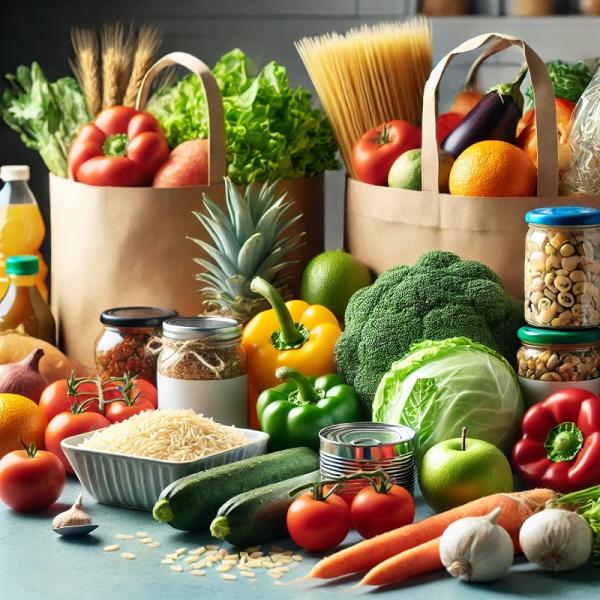
Maximise Your Grocery Savings with Voucher Codes
Voucher codes are an easy and effective way to save money on groceries. At My Favourite Voucher Codes, you can find numerous offers from major supermarkets like Tesco, Sainsbury’s, Waitrose, and more. Using these codes can help you knock a significant amount off your weekly food bill, whether you're stocking up on essentials or indulging in treats.
- Tesco and Sainsbury’s often feature specific codes that allow customers to save on their total basket, such as a £10 off when you spend £50 deal. Combining these savings with existing loyalty programs (like Clubcard or Nectar) can lead to even bigger discounts.
- Waitrose provides a range of codes for online shoppers, especially for free delivery on orders over a certain amount, or discounts on fresh produce and pantry staples.
- Approved Food offers a wide range of end of line products or items that are near their use by dates at discounts that are up to 90% off the RRP. Checkout our Approve Food voucher codes to get an extra 10% off.
Shoppers who use these codes regularly can save hundreds of pounds each year. Furthermore, combining them with in-store promotions or coupons enhances the savings even more. Be sure to check back often for the latest deals on My Favourite Voucher Codes to keep your grocery bills low.
Unlock Free Treats with Restaurant Loyalty Programs and Apps
Fast-food chains and popular restaurants are increasingly offering rewards through their mobile apps and loyalty programs. By signing up for these programs, you can often score free items such as burgers, coffee, or doughnuts, all while collecting points toward future discounts.
- McDonald’s, for instance, rewards app users with points for every purchase. After accumulating enough points, you can trade them in for free menu items like a Big Mac or fries. Additionally, exclusive offers like BOGOF (Buy One Get One Free) deals are frequently made available through the app.
- Greggs allows users to earn points with every purchase, which can be exchanged for free snacks and drinks. Regular promotions such as “buy a coffee, get a free doughnut” make this app even more rewarding.
Apps like these are easy to use, and the savings add up fast. Pairing these offers with vouchers available at My Favourite Voucher Codes can enhance your savings even further. By leveraging both loyalty apps and discount codes, you can significantly cut the cost of eating out or grabbing a quick snack.
The Hidden Perks of Mystery Dining
Would you like to get paid to eat out at restaurants? Mystery dining programs might be your answer. Companies like Serve Legal and Market Force hire diners to visit restaurants and report on the quality of service, cleanliness, and food quality. In return, you are reimbursed for your meal and sometimes paid for your time.
While mystery dining won’t provide free meals every day, it’s a great way to explore new restaurants or enjoy a night out without spending a fortune. Although mystery dining opportunities are sometimes limited by location, there are usually enough available across the UK to allow you to enjoy free meals on occasion.
The key to making the most of mystery dining is consistency. Signing up for several different platforms can increase your chances of being selected, ensuring a steady flow of dining opportunities. Combine these outings with our restaurant voucher codes to make every dining experience affordable.
Waste Not, Want Not: Using Food Waste Apps to Save
Food waste apps like Too Good To Go and Olio have transformed how people access surplus food at reduced prices. These apps connect users with local businesses or individuals offering excess food that would otherwise go to waste, often for a fraction of the original price.
- Too Good To Go allows you to purchase a "Magic Bag" from restaurants, bakeries, and cafes that contain surplus food nearing its expiration date. While the contents of the bag are often a surprise, the savings can be substantial—sometimes offering £10 worth of food for just £3.
- Olio connects neighbours and local businesses to share food that might otherwise go unused. From leftover home-made meals to surplus groceries, the app encourages a community-based approach to reducing food waste, while providing users with free or very cheap food options.
These platforms not only help you save money but also contribute to reducing food waste. By using these apps alongside voucher codes from My Favourite Voucher Codes, you can lower your food expenses while doing your bit for the environment.
Save on Snacks with Mobile Network Reward Programs
Some of the best freebies come from an unexpected source—your mobile phone network. Providers like O2, Vodafone, and Octopus Energy offer regular rewards, including free snacks, drinks, and meals through their customer reward apps.
- O2 Priority is known for offering regular treats like free coffee from Caffè Nero or free lunches at Greggs. It’s worth checking the app regularly, as the offers change frequently.
- Vodafone’s VeryMe Rewards provides similar deals, allowing you to claim free items such as chocolate bars, coffees, or even vouchers for discounted meals at restaurants.
These rewards can be stacked with offers from My Favourite Voucher Codes to ensure that you not only get free items but also benefit from further discounts when dining out or grabbing a snack on the go.
Use Supermarket Coupons and Cashback Apps for Free Food
Shopping smart with coupons and cashback apps can make all the difference when it comes to grocery bills. Supermarkets often issue coupons that can be stacked with existing in-store offers or used in conjunction with voucher codes from My Favourite Voucher Codes.
- Tesco, for example, frequently offers coupons for free products when you spend a certain amount or buy specific brands. These coupons, when combined with cashback apps like Shopmium or CheckoutSmart, can result in free or nearly free food.
- Cashback apps work by allowing you to purchase items upfront and then claim money back by submitting your receipt. Apps like GreenJinn or Shopmium offer rebates on everyday items like bread, milk, and fresh produce, sometimes covering the full cost.
By combining these strategies—voucher codes, coupons, and cashback offers—you can effectively get some of your groceries for free.
Enjoy Free Drinks While You Shop
A number of UK retailers offer free drinks to customers while they shop, especially to members of their loyalty programs. These perks can make your shopping experience more enjoyable while also saving you money on refreshments.
- Waitrose offers free coffee or tea to all customers with a MyWaitrose loyalty card when they make a purchase, providing a little perk while you shop.
- IKEA members with an IKEA Family Card can also enjoy free tea or coffee during their visit, making those long trips around the store a bit more pleasant.
These small savings add up over time, especially if you’re a frequent shopper. With our voucher codes, you can make sure that both your purchases and refreshments are budget-friendly.
Get Birthday Freebies from Popular Stores and Cafes
Many restaurants and retailers love celebrating their customers’ birthdays by offering free treats. By signing up for birthday rewards programs, you can enjoy freebies from some of your favourite brands without spending a penny.
- Krispy Kreme offers a free doughnut on your birthday, which can be claimed at any of their UK stores when you sign up for their rewards program.
- Starbucks offers a free drink on your birthday, perfect for coffee lovers looking to start their special day with a treat.
Signing up for these programs in advance means that you can collect multiple birthday freebies each year, making it a fun and cost-free way to treat yourself on your big day.
Mystery Drinking: Get Paid to Drink Responsibly
If you're between the ages of 18 and 19, you may be able to get paid to drink through programs that test compliance with ID checks at pubs and bars. Serve Legal is a well-known company that pays young adults to ensure staff at pubs and other venues are checking IDs properly.
Not only do you get to enjoy a free drink, but you also receive payment for your time. It’s a unique way to combine saving money with earning a little extra on the side.
Forage for Free Food in the Great Outdoors
Foraging is a great way to source free, fresh ingredients right from nature. In the UK, there are plenty of opportunities to collect wild foods like blackberries, elderflowers, and even wild garlic, depending on the season.
- Blackberries are abundant in hedgerows and parks during late summer, providing a sweet and nutritious snack.
- Wild garlic can often be found in woodlands during the spring, offering a versatile and free ingredient for cooking.
Foraging is not only a free way to supplement your diet, but it provides an opportunity to connect with nature and discover the hidden bounty of your local area. Be sure to forage responsibly by respecting local laws, not taking more than you need, and avoiding private property.
Foraging for Free Food: A Month-by-Month Guide
Foraging is an ancient and sustainable way to gather food, providing a wealth of fresh, seasonal ingredients throughout the year. In the UK, there are many different plants, fruits, and herbs that can be foraged depending on the season. Here's a month-by-month guide to help you find out what to look for when foraging, based on information from sources such as the Woodland Trust:
January to March: Early Spring Foraging
- January: Start the year with foraging for hardy, nutrient-rich plants like nettles and chickweed. These are often found in woodlands or hedgerows.
- February: Look for wild garlic, which starts sprouting in moist, shaded areas. Its distinctive smell makes it easy to identify, and it can be used in soups, pesto, and salads.
- March: In early spring, you can forage for elder shoots and nettles, which can be used in soups or teas. Dandelion leaves are also abundant and are great for salads.
April to June: Springtime Abundance
- April: By now, wild garlic is in full swing. You may also find wood sorrel and young hawthorn leaves, both of which make excellent additions to salads.
- May: This is a prime month for foraging. Elderflowers appear, which can be used to make cordials, teas, and desserts. You can also gather beech leaves, which are tender enough to eat raw or add to salads.
- June: The start of summer brings wild strawberries and cherries in hedgerows, along with rose petals for syrups and jams. Meadowsweet is also a common find, used for its sweet, fragrant flowers.
July to September: Summer Fruits and Berries
- July: A rich variety of summer fruits such as blackberries, bilberries, and raspberries ripen. These are perfect for jams, pies, or simply eating fresh. Nettles are still available for soups or teas.
- August: Hazelnuts start appearing, and elderberries ripen. Both are perfect for snacking, preserving, or making wine.
- September: This is a bountiful month for fruits like sloes, blackberries, and crab apples. Sloes can be used to make sloe gin, while rose hips are also abundant and excellent for making syrups.
October to December: Autumnal Riches
- October: Forage for chestnuts, acorns, and mushrooms like puffballs and chanterelles in woodlands. This is also a good time to gather the last of the blackberries and hazelnuts.
- November: Look for hawthorn berries, which can be used in jellies and syrups. Mushrooms are still widely available, especially species like blewits.
- December: As the year comes to an end, focus on gathering winter greens like sea kale and the final remnants of rose hips.
Where Am I Legally Allowed to Forage for Food?
In the UK, foraging is allowed in most public spaces, including common land, woodlands, and certain national parks. However, it’s essential to note that foraging laws prohibit foraging on private land without permission. You can legally forage on the following:
- Public land: Parks, public footpaths, and woodlands.
- Common land: Areas designated for public use, often rural.
- National parks and forests: Many national parks allow foraging, but always check specific park regulations.
Be mindful of the Wildlife and Countryside Act 1981, which prohibits the uprooting of any wild plant without the landowner's permission.
Top Tips on How to Safely and Legally Forage in the UK
Foraging requires care and knowledge to ensure you're gathering safe, edible plants and doing so responsibly. Here are some key guidelines:
-
Correct identification: Never consume a plant unless you are 100% certain of its identity. Many edible plants have toxic look-alikes, so use a good foraging guide or app to help with identification.
-
Leave enough for wildlife: Forage sustainably by only taking small amounts, ensuring that wildlife still has access to food and the plants can regenerate.
-
Check for pollution: Avoid foraging near roadsides, industrial areas, or places treated with pesticides, as plants may have absorbed harmful chemicals.
-
Respect the environment: Don't damage plants unnecessarily. Take only what you need and avoid uprooting whole plants unless it’s specifically allowed (e.g., wild garlic).
-
Follow the law: In the UK, you can forage for your personal use, but it’s illegal to uproot any plants or sell what you gather without permission. Be mindful of foraging laws in protected areas.
Are There Any Forums Dedicated to Foraging?
Yes, there are many online communities where foraging enthusiasts share tips, identification guides, and recipes. Some popular foraging forums include:
-
Wild Food UK: A popular foraging website that also features an active forum where members discuss their foraging finds, exchange advice, and share recipes.
-
British Foraging Facebook Groups: Several Facebook groups are dedicated to foraging in the UK, where members post pictures of their finds, ask for plant identifications, and share their foraging adventures.
-
Foraging Courses and Workshops: Websites like EatWeeds and Woodland Trust offer foraging courses and often feature communities or forums for further discussion and learning.
These forums and communities are invaluable resources for both novice and experienced foragers, offering advice on what’s in season, identification tips, and safe foraging practices.
Question and Answer Section: Common Queries About Free and Cheap Food
Q1: How can I get free food using apps?
Apps like Too Good To Go and Olio connect users with local restaurants and neighbours offering surplus food, either for free or at discounted prices. These apps are popular because they help reduce food waste while offering affordable or free food options.
Q2: Which supermarket loyalty programs offer free or discounted food?
Programs like Tesco Clubcard and Sainsbury’s Nectar allow customers to accumulate points for purchases, which can then be redeemed for discounts or free products. These loyalty programs are often paired with promotions to maximise savings.
Q3: How do I get paid to eat out at restaurants?
Mystery dining programs like Serve Legal and Market Force pay participants to dine at restaurants and provide feedback on the service. This allows diners to enjoy free meals while getting compensated for their reviews.
Q4: What are the best ways to save on groceries?
Saving on groceries can be achieved by using discount codes, cashback apps like Shopmium, and taking advantage of loyalty programs. Pairing these offers with weekly supermarket promotions can lead to significant savings on essential items.
Q5: Can I get free food through my mobile network provider?
Yes! Mobile networks like O2 and Vodafone frequently offer rewards through their apps. These rewards often include free snacks, coffee, and even meals at participating stores and restaurants.
Q6: What are the best cashback apps for food shopping?
Cashback apps like Shopmium, CheckoutSmart, and GreenJinn offer cashback on a variety of grocery items. Users simply purchase the items, upload a receipt, and receive money back on qualifying purchases.
Q7: Are there places where kids can eat for free?
Many UK restaurants, including Beefeater and Bella Italia, offer “Kids Eat Free” deals during certain times of the year. These promotions usually require the purchase of an adult meal and are especially popular during school holidays.
Q8: How do I forage for free food?
Foraging for wild food like blackberries, wild garlic, and elderflowers is a popular way to access fresh ingredients for free. Be mindful of local regulations and only forage in public areas to ensure a safe and legal experience.
Q9: How can I get free meals on my birthday?
Several restaurants and cafes offer free meals or treats on your birthday if you sign up for their loyalty programs in advance. Popular examples include Krispy Kreme (free doughnut) and Starbucks (free coffee).
Q10: What is the best time to shop for reduced-price groceries?
Supermarkets often reduce prices on items nearing their expiration date late in the evening or early in the morning. Shopping during these times can help you score discounted groceries or even free items if promotions are running.
10 Smart Strategies to Get Food for Less
In today’s economic environment, saving money on food can feel like a challenge, but with the right approach, you can stretch your budget without sacrificing quality. These 10 detailed strategies will help you make the most of every grocery shop, ensuring you get the best deals on fresh, nutritious food while cutting back on unnecessary costs.
1. Plan Meals Around Your Freezer and Pantry
Before you head out to shop, take inventory of what you already have in your freezer and pantry. Leftover meats, frozen vegetables, and canned goods can be the foundation of your weekly meals. Planning meals around what you already own not only reduces waste but also ensures you’re not overspending on duplicate items.
For example, if you have frozen chicken in your freezer, plan to use it in soups, stir-fries, or salads throughout the week. Similarly, those cans of beans that have been sitting in the pantry can be turned into hearty stews or wraps. By avoiding impulse purchases and sticking to what’s available, you can cut down your grocery bill significantly over time.
2. Use Grocery Store Apps for Special Deals
Most grocery chains now offer apps that provide access to exclusive discounts and digital coupons. Apps from stores like Tesco, Sainsbury’s, and Waitrose often have deals not available in-store, such as “Buy One Get One Free” or special loyalty rewards.
These apps are not only for digital coupons; they often provide price comparisons, shopping list tools, and even points toward future purchases. By using these tools, you can unlock hidden savings that traditional paper coupons might not offer.
Additionally, setting up alerts for your preferred items can notify you when they go on sale, helping you stock up when prices are lowest. Even better, you’ll be able to track how much you’ve saved over time, making grocery shopping a more strategic part of your monthly budget.
3. Get Cashback on Groceries Using Apps
Cashback apps like Shopmium, CheckoutSmart, and GreenJinn offer real cashback on everyday grocery purchases. Here’s how it works: you buy selected products, take a picture of your receipt, and upload it to the app. The app then reimburses you with cashback, which can be transferred back to your bank account.
Some cashback offers give you 100% back, essentially making those items free. These apps are especially useful when combined with sales or vouchers, providing you with an extra layer of savings. For example, if a jar of sauce is discounted to £1.50 and the cashback offer gives you £1.50 back, it’s completely free.
Many people underestimate how much they can save with cashback apps, but over time, small savings add up to significant amounts. Additionally, these apps often cover a wide range of products, including fresh produce, snacks, beverages, and pantry staples.
4. Opt for Generic Brands to Cut Costs
Supermarket own-brand products have come a long way, often rivaling premium brands in quality. By switching to generic or store-brand items, you can save up to 30-40% on essentials like cereals, pasta, and cleaning products.
Retailers like Aldi and Lidl have built their reputations on offering quality store-brand alternatives at much lower prices. For example, their own-brand organic ranges are often cheaper than name-brand non-organic products in other stores. Items such as olive oil, tinned tomatoes, and snacks are priced considerably lower, and you’re not losing out on quality.
Even larger chains like Tesco and Sainsbury’s have their own value ranges, such as Tesco Everyday Value, which offers basic pantry items at lower prices. A box of store-brand cereal, for instance, can cost half as much as the name-brand equivalent, yet taste just as good.
5. Buy in Bulk During Sales
Bulk buying is a fantastic way to get more for your money, especially for non-perishable items. Wholesale stores like Costco and Sam’s Club provide the opportunity to buy large quantities of products like rice, pasta, and canned goods at significantly lower prices per unit.
If your local store doesn’t offer bulk-buying options, look out for supermarket promotions on staples such as flour, sugar, and oils. When products like meat, pasta, or tinned vegetables go on sale, stock up and freeze the extras or store them in airtight containers for future use. By investing in these essentials during a sale, you won’t have to pay full price later.
It’s important to ensure that you have adequate storage space and that you’re buying products that you will use within their expiration dates. The key to bulk-buying is to avoid impulse purchases and focus on items that you regularly consume.
6. Shop Discount Grocers and Clearance Sections
Stores like Aldi, Lidl, and Iceland are known for offering high-quality groceries at a fraction of the price you might find at other supermarkets. These discount grocers provide savings on everything from fresh produce to frozen goods and household items.
In addition to regular grocery shops, don’t forget to check the clearance sections of your local supermarket. Most stores offer discounts on items that are nearing their sell-by dates, but that doesn’t mean they’ve gone bad. These products can often be frozen or used immediately, offering incredible value for savvy shoppers.
Also, some supermarkets have dedicated “wonky veg” sections where you can purchase imperfect-looking, but perfectly edible, fruits and vegetables at a discount. These items are just as nutritious and delicious as their pristine counterparts but come with a lower price tag.
7. Buy Seasonal Produce to Save on Fresh Food
Seasonal produce is typically cheaper because it’s harvested locally and doesn’t require expensive transportation or refrigeration. For example, during the summer months, fruits like strawberries, cherries, and tomatoes are much more affordable than during the winter when they need to be imported.
A great way to save is to plan your meals around what’s in season. You’ll get fresher produce at a fraction of the cost, and it will likely taste better too. In the colder months, look for root vegetables like carrots, parsnips, and potatoes, which are available in abundance and often sold at lower prices.
To make the most of your seasonal purchases, consider freezing or preserving excess produce. You can freeze berries and herbs for later use, or make sauces and jams to extend their shelf life.
8. Make the Most of Your Leftovers
Leftovers are an excellent way to get more meals out of the food you’ve already prepared. Instead of throwing away uneaten portions, store them properly for future meals. Leftover roast chicken, for example, can be used to make sandwiches, salads, or soups the next day.
If you have vegetables that are about to go off, consider turning them into stews or stir-fries. By repurposing leftovers, you can create new meals without having to buy more ingredients, significantly reducing waste and saving money.
Planning a “leftovers night” once a week can also help you clear out your fridge and save on groceries. Get creative and try out new recipes using what’s already in your kitchen!
9. Take Advantage of Farmers Markets for Inexpensive Produce
Farmers markets are fantastic for finding fresh, locally grown fruits, vegetables, and herbs at affordable prices. To save even more, look for “seconds” — slightly blemished or overripe produce sold at a discount. These items are still perfect for cooking, freezing, or preserving but come at a lower cost because they aren’t aesthetically perfect.
Visiting farmers markets later in the day can also result in extra savings, as vendors are often willing to sell their remaining stock at a discount before closing. Don’t be afraid to haggle politely, as many sellers are open to negotiation.
Additionally, buying directly from farmers means you’re supporting local businesses while also getting access to fresh, nutritious produce.
10. Buy Meat and Fish in Bulk and Freeze
When meat or fish goes on sale, it’s worth buying in larger quantities and freezing what you don’t use immediately. Investing in a chest freezer can allow you to store bulk meat for months at a time, ensuring that you’re paying the lowest possible price without compromising on quality.
Look for cuts like chicken thighs, pork shoulders, or ground beef, which are often much cheaper than premium cuts. These are versatile proteins that can be used in a wide range of dishes, from stews to tacos. The key is to stock up when the price is right and freeze in meal-sized portions for easy use later.
Using Foodbanks: Who is Eligible and How to Access Them
Foodbanks play a critical role in supporting individuals and families facing financial hardship, providing access to essential groceries during difficult times. While they are designed as a short-term solution, foodbanks can be a lifeline for those struggling to afford basic food supplies. Here's everything you need to know about foodbanks, including who is eligible and how to use them.
Who is Eligible to Use Foodbanks?
Eligibility for foodbanks typically depends on financial need, and many foodbanks require a referral from a recognised authority or organisation. You may be eligible to access foodbank services if you:
- Are unemployed or experiencing financial hardship due to low income.
- Receive benefits such as Universal Credit but are struggling to cover all essential living costs.
- Are experiencing a sudden crisis, such as illness, family separation, or unexpected bills, that makes it difficult to afford food.
In many cases, you will need a referral from a trusted organisation such as your local council, Citizens Advice, a doctor, or a social worker. These professionals assess your situation and issue you with a foodbank voucher that allows you to receive assistance.
How Do Foodbanks Work?
Foodbanks typically operate through a voucher system. Here's how to access one:
-
Get a Referral: As mentioned, you will need to be referred by a professional who can assess your needs and issue a voucher. Organisations like Citizens Advice and local charities can help with this.
-
Redeem Your Voucher: Once you have your voucher, visit a local foodbank distribution centre. These centres are often run by charities, churches, or community organisations.
-
Receive a Food Parcel: Foodbanks provide parcels designed to last for at least three days. These packages usually contain essential, non-perishable items such as pasta, tinned vegetables, soup, cereal, and tea. Some foodbanks also offer fresh fruit and vegetables, toiletries, and household cleaning products.
-
Additional Support: In addition to food, many foodbanks provide guidance and support for individuals looking to improve their financial situation, such as referrals to local job centres or help with managing debt.
How to Find and Use Foodbanks in the UK
There are several organisations and networks of foodbanks throughout the UK. The largest network is the Trussell Trust, which operates over 1,200 foodbanks nationwide. Their website allows you to find your nearest foodbank, and they offer advice on how to obtain a referral. Many local councils also maintain lists of independent foodbanks or partner with other charitable organisations to provide this service.
To access a foodbank, it’s important to be prepared with documentation, including your referral voucher and any other paperwork that might be required to verify your situation. Many foodbanks operate on set days of the week, so be sure to check their hours and arrive on time to collect your food parcel.
Foodbanks aim to provide emergency support, but they can also connect users to broader welfare services, helping individuals and families to improve their long-term financial stability.
Social Supermarkets: Affordable Food for Those in Need
Social supermarkets offer an innovative way to help individuals and families access affordable food. Unlike foodbanks, which provide free emergency parcels, social supermarkets operate more like regular grocery stores, offering food at significantly reduced prices to those who are eligible. Here's a detailed look at how social supermarkets work, who can use them, and what you can expect when shopping there.
Who is Eligible to Use Social Supermarkets?
Social supermarkets are designed to help people on low incomes, those experiencing financial hardship, or individuals facing unexpected crises, such as job loss or illness. Eligibility criteria vary depending on the organisation, but in general, you may qualify if you:
- Are receiving benefits such as Universal Credit or income support.
- Have been referred by a local council, housing association, or community organisation.
- Are identified by a social worker or health professional as someone in need of additional support.
Some social supermarkets are open to anyone who wishes to use them, while others may have specific criteria, so it's important to check the guidelines of the individual supermarket.
What is the difference between Social Supermarkets and Foodbanks?
While foodbanks provide emergency food parcels for free, social supermarkets sell food and other goods at a significantly reduced price—typically 50% to 70% off regular retail prices. Foodbanks are intended to offer short-term relief in crisis situations, whereas social supermarkets aim to provide more long-term support by helping people access affordable groceries regularly.
Social supermarkets operate much like traditional shops, giving people the dignity of choice when selecting their food, which can include fresh produce, chilled goods, and household essentials. By paying a small amount for the items they need, customers can gain a greater sense of autonomy over their food purchases while still benefiting from reduced costs.
What’s Kind of Produce is Available at Social Supermarkets?
Social supermarkets typically stock a range of essential items, including:
- Fresh produce: Fruits, vegetables, and bread are often available at lower prices than conventional supermarkets.
- Chilled and frozen goods: Many social supermarkets provide dairy products, meats, and other perishable items.
- Pantry staples: These may include canned goods, pasta, rice, flour, and other essentials.
- Household products: Toiletries, cleaning supplies, and baby items are often available at reduced prices.
Many of these items are surplus stock donated by major retailers or sourced from suppliers at reduced rates, which allows social supermarkets to sell them at a much lower price than standard shops.
Pricing Structure at Social Supermarkets
The pricing at social supermarkets is designed to make food affordable for individuals and families facing financial difficulties. Most social supermarkets offer food at up to 70% off the typical retail price. Some social supermarkets operate on a membership basis, where customers pay a small fee to access discounted goods. Others may have no membership fee and allow shoppers to pay for only what they need.
In some cases, social supermarkets also offer "pay what you can" schemes, where customers contribute what they are able to afford, making food accessible to everyone regardless of their financial situation.
Where to Find Social Supermarkets
Social supermarkets can be found in various parts of the UK, and their numbers are growing as the demand for affordable food continues to rise. Some of the most well-known networks include:
- Community Shop: A chain of social supermarkets offering food and household goods to people referred by support services. They have branches in areas such as London, Yorkshire, and the Midlands.
- Your Local Pantry: Another network of social supermarkets, offering affordable food to local communities. With pantries across the UK, members pay a small weekly fee to access groceries at reduced prices.
- Fairshare Go: Works in partnership with major supermarkets to distribute surplus food to local social supermarkets and community projects.
To find a social supermarket near you, check with your local council, community centre, or visit networks like Community Shop or Your Local Pantry.
How to Use Social Supermarkets
Using a social supermarket is simple and accessible. Here's what you need to do:
-
Check Eligibility: Depending on the supermarket, you may need a referral from a council or social worker, or you may need to join as a member. This process is usually straightforward and can be done through a local support service or online.
-
Visit the Supermarket: Once you are eligible, you can visit the supermarket just like any other grocery store. You'll be able to choose the products you need, whether fresh fruit and vegetables or household essentials.
-
Pay at the Reduced Price: Once you’ve made your selection, you’ll pay at the reduced price. Social supermarkets typically offer a pricing model that allows you to buy essentials for a fraction of the cost found at traditional retailers.
-
Engage with Additional Support: Many social supermarkets also offer support beyond groceries. They may provide advice on debt management, offer cooking classes, or connect customers to further local services that can help improve their financial stability.
Social supermarkets are an empowering resource for those struggling with food insecurity, offering affordable food choices in a respectful and dignified environment. By combining low-cost groceries with support services, these markets are designed to help individuals build a more sustainable future.
Conclusion: Maximising Your Food Savings While Supporting Charitable Causes
Navigating the challenges of rising food costs doesn’t have to feel overwhelming. From using voucher codes on everyday groceries to exploring innovative options like foodbanks, social supermarkets, and cashback apps, there are numerous ways to make your food budget go further. Planning your meals based on what you already have, shopping at discount grocers, and taking advantage of seasonal produce can significantly cut your grocery bills, while cashback and store apps can unlock additional savings.
For those experiencing financial hardship, foodbanks provide emergency assistance, and social supermarkets offer a more sustainable, low-cost option for accessing essential groceries over time. Both services are designed to help individuals and families access nutritious food while maintaining dignity and choice. Whether you need short-term support from a foodbank or ongoing affordability through social supermarkets, these services are a valuable resource.
By integrating smart shopping techniques—such as buying in bulk, using leftovers creatively, and shopping for discounted items—you can further reduce your expenses. And with initiatives like My Favourite Voucher Codes, you can save money while supporting charitable causes, ensuring that every small action contributes to a greater good.
Resources and Citations:
- Save the Student
- Skint Dad
- Rest Less
- MoneySavingExpert
- Cheapism: Tricks to Save Money on Groceries
- EatingWell: Tips for Reducing Food Waste and Saving Money
- Woodland Trust: Seasonal Foraging Calendar
by Julian House 2nd October 2024

Enter to Win 1 of 6 × £50 Greggs Gift Cards
Complete the form below to enter. One entry per person. No purchase necessary.
Advertisement
Advertisement
Charity Donation
Thank You!
You've Helped Us Raise
£0.00
For Charities Since 2012
This Weeks Most Popular Blog Articles
Lookfantastic has released four quite different Advent calendars for Christmas 2026. There is a...
The Ninja SLUSHi Twist makes an impressive first impression: two frozen drinks, two flavours and...
If both Stena Line and Irish Ferries work for the journey you are planning, the discounts can make...
The best time to book Stena Line is usually once your travel dates are reasonably firm, rather than...
Wedding planning often involves comparing prices, working out where to save and deciding which...
This Month's Charity
Brook Farm Animal Sanctuary
£179.34 Donated This Month
Total Raised for Charities Since 2012: £88,475.84
Thanks to our loyal users, we’re supporting RSVP Charity. Keep using our voucher codes to help us give even more.